

Welcome to Spain: A Country Built for Walking Between Worlds
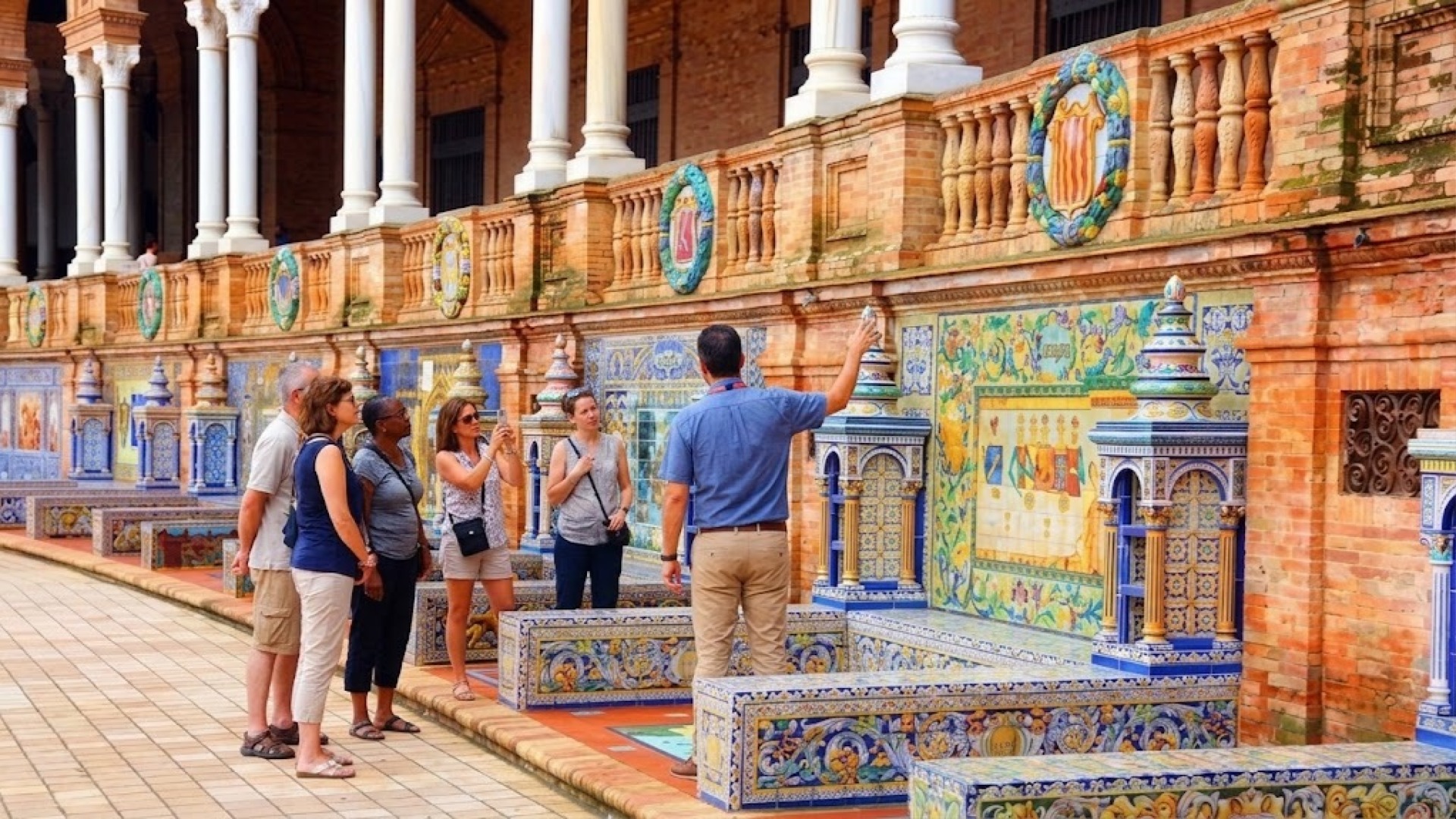
Spain rewards travelers who explore its neighborhoods on foot. Roman ruins, Moorish palaces, Gothic cathedrals, and Gaudí's buildings sit just a few streets apart. Walking lets you notice the real character of each place, from the scent of a market to the sound of a guitar from a nearby bar. That’s why our free walking tours focus on exploring on foot, just like the locals do, instead of rushing from one attraction to another by taxi.
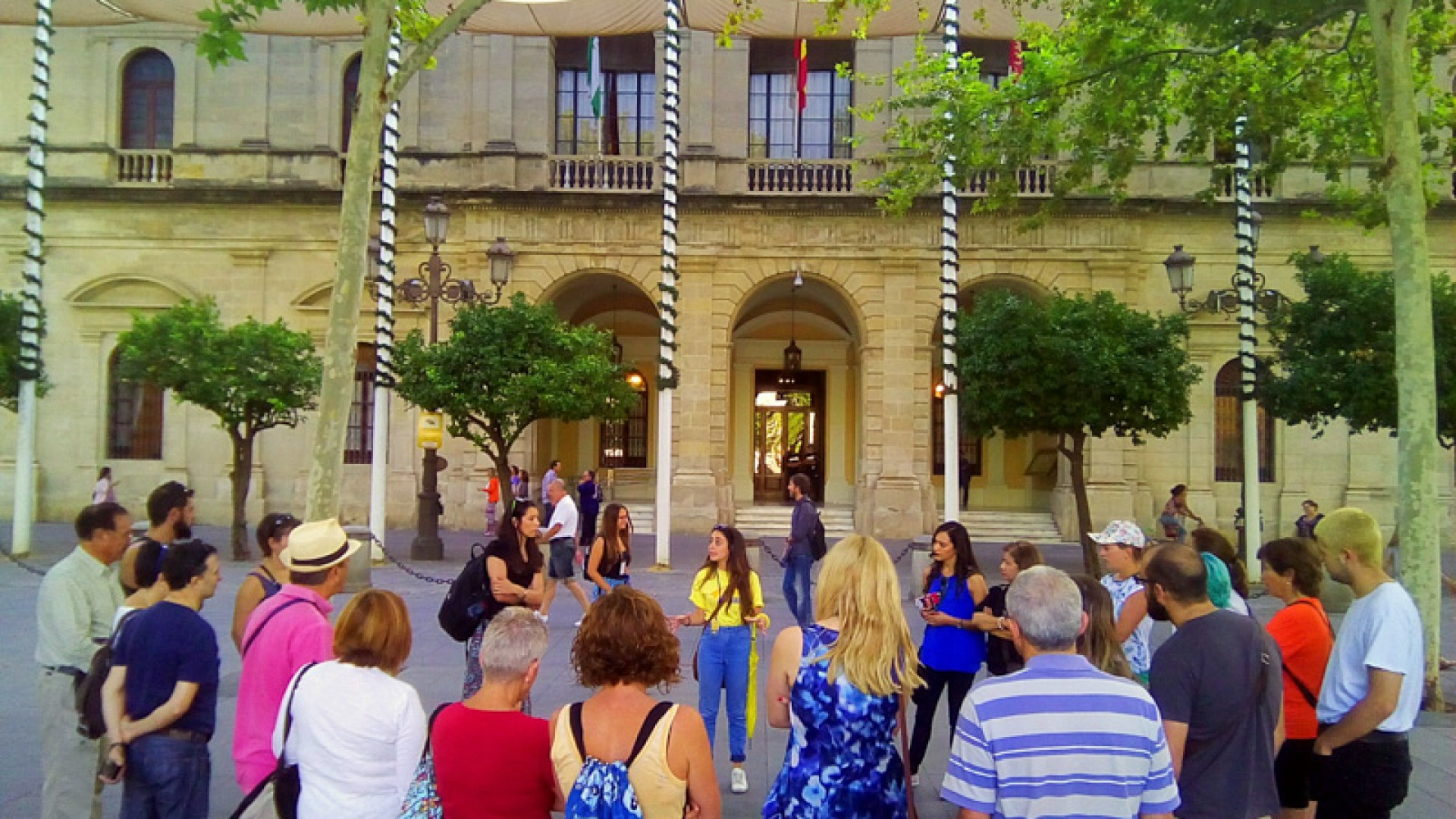
Right now, our tours start in Seville, the compact and walkable capital of Andalusia. It’s the first Spanish city where Tripvalory guides are leading tours. As we add more local guides, we’ll expand to other Spanish cities, but Seville is the right place to begin.
A Country of Regions, Not One Single Spain
If you ask someone from Madrid, Catalonia, or Andalusia what "Spain" means, you’ll get three different answers—and that’s the point. Each region, from the cool plains of Castile to the palm-lined streets of Andalusia or the hills of Galicia, has its own style, food, and rhythm. The best way to understand why Spain can’t be summed up in one word is to visit more than one city, even if only for a short trip.
Madrid: The Capital That Keeps Its Doors Open Late
Madrid sits almost in the center of Spain, and its historic area is perfect for walking. You can easily visit Plaza Mayor, the Royal Palace, and the famous art museums—the Prado, Reina Sofía, and Thyssen-Bornemisza—all close together. What sets Madrid apart from other European capitals is its lively nightlife. Dinner rarely starts before nine, and neighborhoods like Malasaña and La Latina are often busiest well past midnight.
Barcelona and the Architecture That's Never Quite Finished
As you wander through Barcelona's Gothic Quarter, you’ll find a maze of medieval narrow streets. Antoni Gaudí’s Sagrada Família and six of his other buildings are recognized as a UNESCO World Heritage site. Gaudí’s creations in Barcelona are still works in progress—the Sagrada Família has been under construction for more than 100 years.
Andalusia's Moorish South
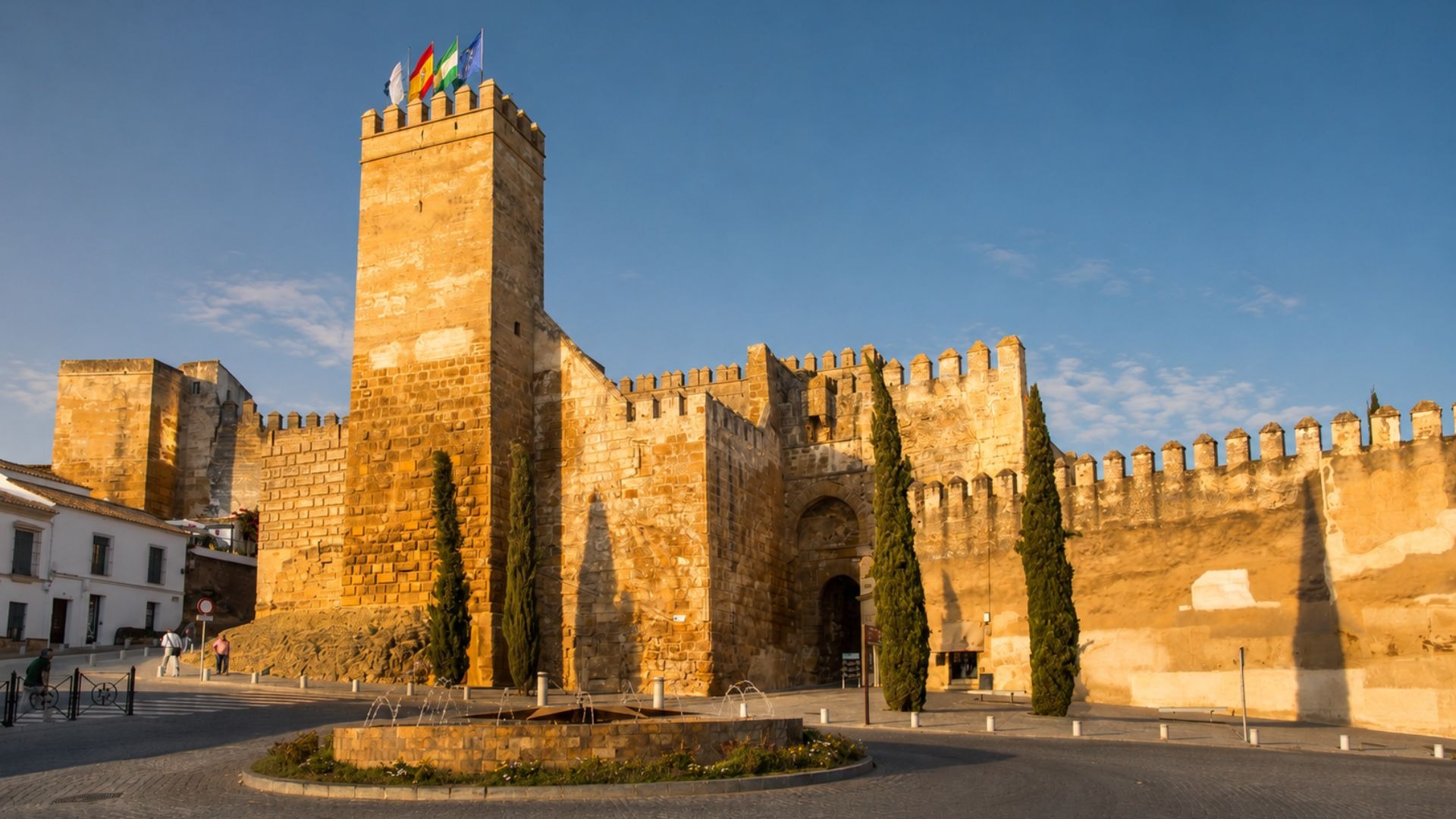
If you travel south, you’ll notice the architecture changes again. Cities like Seville, córdoba, and Granada show the influence of centuries of Moorish rule. In Seville’s old town, you’ll find the Cathedral, the Real Alcázar, and the Archivo de Indias. Granada is home to the Alhambra, and Córdoba has the Mezquita, a mosque that is now a cathedral. These landmarks show how a different culture shaped this part of Spain for hundreds of years. Spain now has 50 UNESCO World Heritage Sites, more than almost any other country. Our free walking tour begins in Seville, and today we’ll explore Santa Cruz and Triana.
The Camino de Santiago: Spain's Original Walking Tour
For centuries, pilgrims have walked across northern Spain to reach Santiago de Compostela. The route was added to the UNESCO World Heritage List in 1993 and now attracts over 200,000 walkers each year. The same urge that draws people to explore Madrid’s old town or Barcelona’s Gothic Quarter on foot also inspires them to walk the Camino—except this journey covers 800 kilometers instead of just a few.
Hint: It's worth booking
Book major attractions such as the Sagrada Família and the Alhambra online before your trip. Both have daily entry limits and often sell out days or even weeks ahead, especially in spring and summer.
Everything You Need to Know
If you’re visiting Spain for the first time, choose two or three cities to avoid feeling rushed. For example, you might choose Madrid and Andalusia, or Barcelona and the Basque Country. Trying to see every region in one trip usually means you’ll see less of each place.
Do you need a car to get around Spain? Not in the major cities. High-speed AVE trains connect Madrid, Barcelona, Seville, and Valencia in just a few hours. A car is only really helpful if you want to visit smaller towns or rural areas like inland Andalusia or Galicia.
When should you book tickets for major attractions? For places with entry limits, like the Alhambra, the Sagrada Família, and Seville’s Real Alcázar, daily visitor numbers are capped, and tickets often sell out during peak season.
Conclusion
Spain isn’t just one destination—it’s a collection of very different regions that happen to share a border. The best way to experience any of them is still the oldest: walk with a local guide who knows where to find the real stories. We offer free walking tours in every city across Spain.