
Welcome to Sevilla: The City Built for Wandering
Some cities are better seen by car, but Seville is meant to be explored more than once, and to stop for a snack and a drink along the way. As one of Spain's most compact provincial capitals, the city keeps points of interest in a historic area you can cover in under thirty minutes, and walking tours are designed for a city like this.
A City That Rewards Walking
The older part of Sevilla was not built for automobiles, as its narrow streets, orange-tree-lined plazas, and dividing river show. If you take taxis instead of walking, you will miss the true spirit of Sevilla, since the best experiences are in the areas between the major landmarks rather than at the landmarks themselves.
Barrio Santa Cruz and Sevilla's Golden Age Core
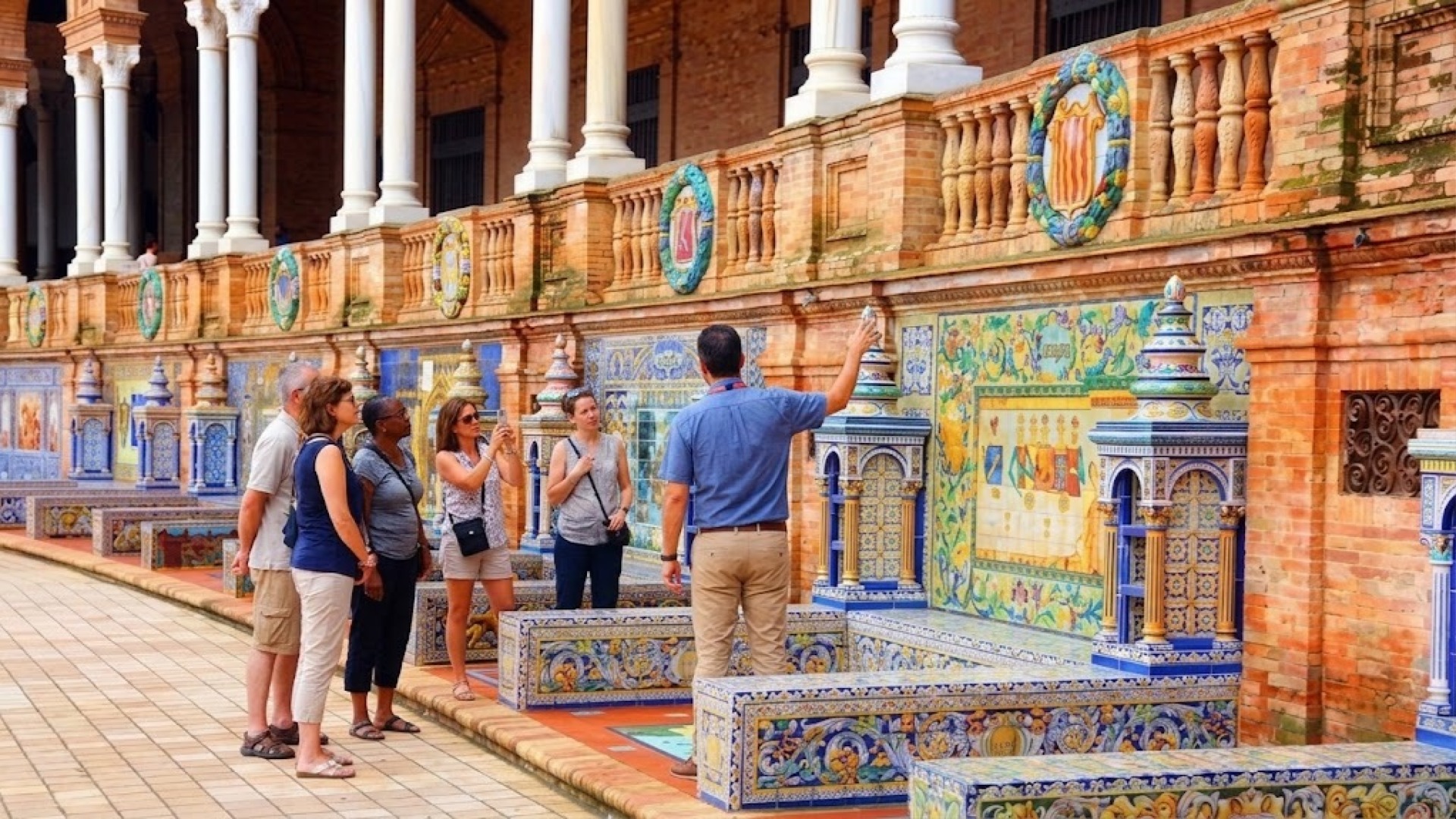
First-time visitors can start in Barrio Santa Cruz, the old Jewish quarter, since the whitewashed streets provide shade and lead directly to the city's main attractions: the Cathedral, the Real Alcázar, and the Archivo de Indias. Together, these three sites form a UNESCO World Heritage Site, designated in 1987, and they illustrate Spain's "Golden Age" through layers of Islamic, religious, and royal history. The Alcázar was built in 1248, the year of the Reconquest, and the Giralda tower beside the Cathedral is regarded as the finest example of Almohad architecture. You can see all three sites on foot in just a few hours, without a map.
Triana: Crossing the River for Flamenco's Birthplace
The atmosphere changes when you cross the Puente de Isabel II. Triana, Seville's traditional working-class riverside district, is often called one of the spiritual centers of flamenco. This description fits, as UNESCO included flamenco on its Representative List of the Intangible Cultural Heritage of Humanity in 2010. The district has ceramic workshops, small peñas (flamenco clubs), and river views that are especially beautiful at sunset.
The Art of Tapeo: Walking Your Way Through Dinner
In Seville, long dinner meals aren't customary; instead, people go for tapeo, having one or two small dishes with a drink at a bar before walking to the next one. This practice is like an evening walking tour and offers a simple way to experience local life on your first day.
Hint: It's a good idea to book your
Buy your Real Alcázar tickets online before you go, as timed-entry slots often sell out days in advance during busy seasons, and waiting in line could take up an hour of your trip.
When to Visit and How Long to Stay
Sevilla sits in the Guadalquivir Valley, an area that stays warm and is one of the hottest in Europe. In July and August, temperatures usually rise above 95°F (35°C), so the best months to walk around the city are spring (March to May) and autumn (September to November). If you are there in April, you may have the chance to see Semana Santa or Feria de Abril. Although you can walk around the historic city center in two or three days, four days give you time for a day trip without being rushed.
Everything You Need to Know
Can one avoid using a car when visiting Sevilla?
Triana and the riverfront are within easy walking distance of each other, so most first-time visitors will not need a taxi around the city; a car is only useful for day trips to nearby places such as Carmona or Córdoba.
How many days should you spend in Seville?
You can see the Cathedral, the Alcázar, Santa Cruz, and Triana in two or three days at a leisurely pace; if you want to include a day trip or a flamenco performance and avoid rushing, plan for four days.
Is it necessary to book the Real Alcázar in advance?
Yes, especially between April and October, because tickets have time-limited entry and often sell out several days in advance; book them online before you arrive.
Conclusion
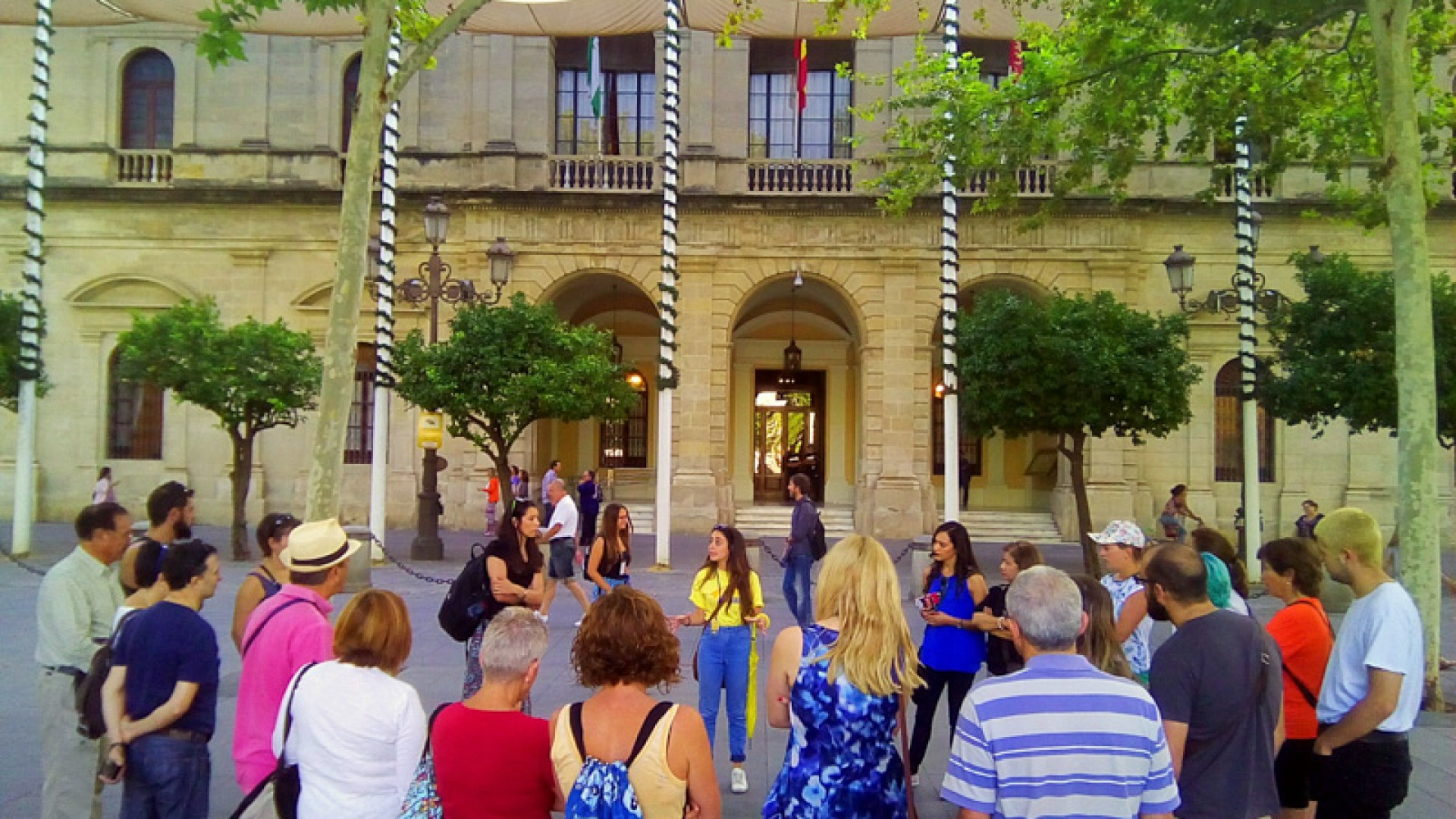
You cannot truly get to know Seville from a bus window; the only way to understand the city is to walk through Santa Cruz, go into Triana, and have tapas along the way. If you want to take that kind of tour, a free walking tour is the best way to do it.