
Sevilla: Bright Streets and Living Heritage in Southern Spain
Sunlight falls on the orange trees and the calm Guadalquivir River as Sevilla wakes up in its plazas and winding streets. Every step leads you through history, past Moorish towers, Romanesque spires, and tiled patios where you might hear gentle guitar music. Sevilla is warm, welcoming, and proud. It is the heart of Andalusia and rewards those who explore at their own pace.
A City Forged by Centuries: Golden Age and UNESCO Landmarks
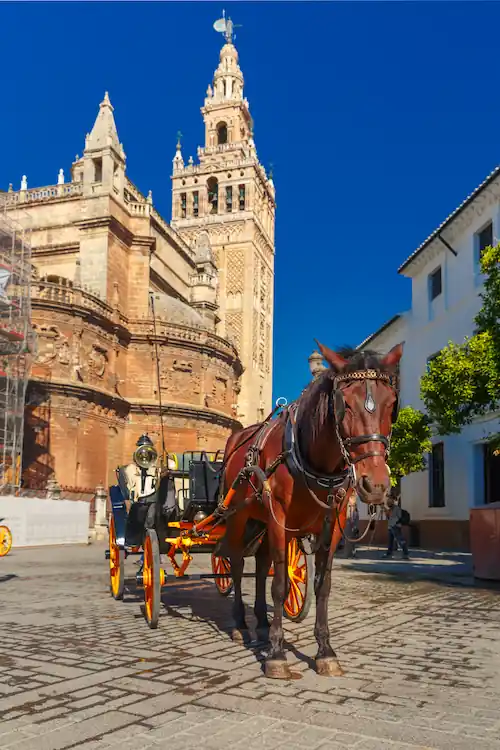
Sevilla's Old Town is rich in history and is one of the largest in Europe. Three sites here make up a single UNESCO World Heritage listing. The Cathedral of Seville, the world's third-largest, was built on the site of a former mosque. Inside, you can see Christopher Columbus's tomb, adorned with detailed carvings and gold. Next to the cathedral, the Giralda tower rises above the city. Once a minaret with ramps for horses, it is now Sevilla's most famous landmark.
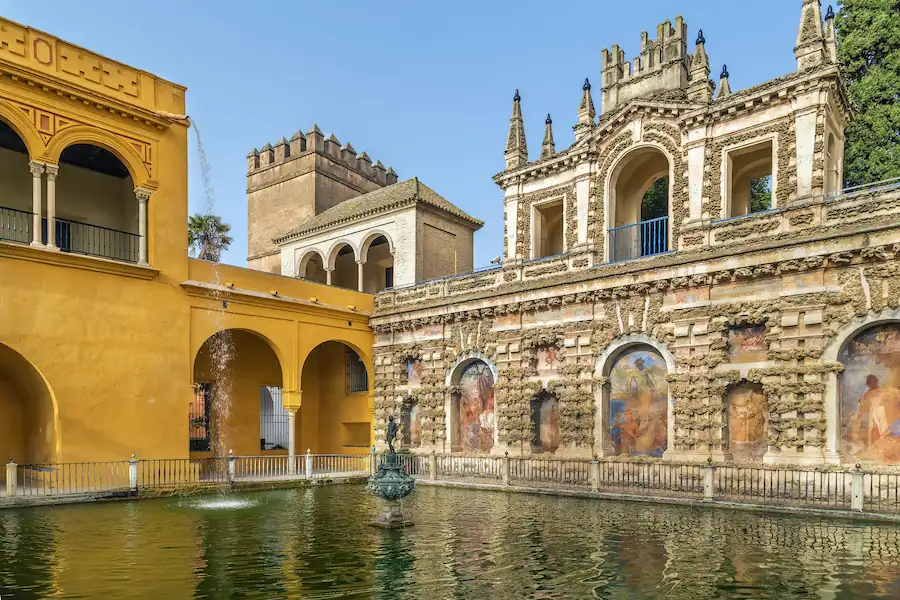
The Real Alcázar, with its green courtyards, shows the blend of cultures that shaped Sevilla. Built in 1248 on older foundations, this palace still hosts the Spanish royal family when they visit. Colorful tiles shine in the sun, and fountains add to the peaceful gardens, reflecting both Islamic and Christian styles. Nearby, the Archivo General de Indias, a Renaissance building, keeps important maps and records from Spain's empire. These places remind us of Sevilla's Golden Age in the 1500s, when ships from the Americas made it Europe's richest port.
Streets to Wander: Barrio Santa Cruz and Triana
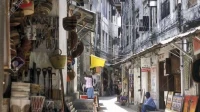
Begin your visit in Barrio Santa Cruz, the city's old Jewish quarter. The narrow, whitewashed streets such as Callejón del Agua and Calle Mateos Gago lead to the Cathedral and Alcázar, shaded by flowers and palm trees. Around midday, you can smell orange blossoms in small squares such as Plaza de Doña Elvira, where tiled benches are perfect for a rest. Santa Cruz is best explored on foot, with its pleasant alleys leading to beautiful buildings or quiet patios. Our free walking tour of Sevilla covers these highlights.
Cross the Guadalquivir River on the Puente de Isabel II to get to Triana. This riverside neighborhood was once famous for its ceramics and sailors, and many locals believe flamenco began here in its courtyards and clubs. In the evenings, people gather by the river to watch the sunset over the city. Small workshops on Calle San Jorge still make painted tiles. Triana has a relaxed, friendly atmosphere and values its traditions. For authentic flamenco, visit a local club rather than a tourist spot.
The Rhythm of Tapeo: Eating and Drinking in Sevilla
In Sevilla, dinner often means going from bar to bar, sharing small plates called tapas and having a drink at each stop. Try standing at a marble counter in El Arenal or Macarena, order a cold fino or local Cruzcampo beer, and taste dishes like jamón, fried fish, oxtail stew, or salmorejo, a thick tomato-and-bread soup with egg and ham. Each bar has its own specialty, and the best nights are spent moving from one to another, enjoying the lively atmosphere. You do not need a formal meal. Just walk in, pick what looks good, and join the fun.
Planning Your Visit: Seasons, Sights, and Smart Tips
Sevilla's weather shapes daily life. The Guadalquivir Valley is one of Europe's hottest areas, with July and August often reaching over 35°C (95°F). During these months, locals slow down, close their shutters, and return outside at dusk. Most visitors choose spring or autumn, from March to May or September to November, when the weather is milder, and the gardens are at their best. In spring, Sevilla hosts two big events: the solemn Semana Santa processions and the colorful, week-long Feria de Abril. In three days, you can explore the historic center and riverside areas at a relaxed pace. If you have a fourth day, consider a short trip to places like Carmona's hilltop ruins or Córdoba's Mezquita, both nearby and easy to visit.
Sevilla's center is very walkable, and most of the Old Town is car-free. Wear comfortable shoes and enjoy your time exploring. Plan for the Real Alcázar, as you need to buy tickets on the official website, especially from April to October when time slots sell out fast. The Cathedral and Giralda usually have shorter lines, but arriving early helps you avoid crowds. For great views, climb the Giralda's ramps or visit the rooftop walkway of Metropol Parasol, known as Las Setas, a large wooden structure built in 2011 above Plaza de la Encarnación.
See Sevilla with Fresh Eyes: Join a Free Walking Tour
Sevilla has many layers, and it's best explored with others. To experience the city like a local, join a free walking tour with a knowledgeable guide. You will hear real stories, learn local shortcuts, and see why Sevilla's spirit lives on in its plazas after dark. Whether it is your first visit or you are returning, Sevilla welcomes you. Come in and let the city share its charm.