
Spice routes, sultanates, and coral-stone streets along the Indian Ocean's edge
Most of Tanzania is known for its vast savannas, lofty mountains, and world-famous national parks, but Zanzibar is different. When you arrive in Stone Town, you step into a unique atmosphere shaped by centuries of cultural interaction. Narrow streets lined with coral stone buildings and finely crafted wooden doors invite you to lose yourself in history. Each street corner, shaded by overhanging balconies, offers glimpses of African, Arab, Persian, and Indian influences in daily life. For hundreds of years, this small area of coral stone served as a vibrant crossroads for traders from Africa, Arabia, India, Persia, and Europe. Spices, gold, ivory, and textiles passed through its busy markets, while the call to prayer mingled with the giggles of children playing in bright courtyards. Fishing boats bobbed in the harbor, bringing the day's catch to shore as merchants haggled over goods destined for distant lands. Visiting Stone Town means absorbing its central essence, as it was once one of the Indian Ocean's busiest and most influential trading ports. Today, the lively mix of languages, aromas, and music captures the spirit of a place that has always welcomed the world.
Join a free walking tour from Tripvalory.com, guided by a local expert, starting at the Old Fort.
The streets of Stone Town don't reveal their stories on their own. Without someone to explain, you might pass by a doorway decorated with ancient symbols, a market stall that has stayed in the same family for generations, or a building whose windows tell stories of the island's many rulers. Each alleyway holds secrets: footsteps from spice merchants, murmurs from the days of the slave trade, and the fragrance of cloves carried on the sea breeze. You might stumble upon a tiny café serving spiced tea and coconut bread, or hear the melancholy notes of taarab music floating from a hidden courtyard. With a knowledgeable guide, these hidden details come to life, turning every corner into a living museum where the stories of sultans, explorers, and everyday islanders intermingle.
What is it that makes Zanzibar different from the rest of Tanzania?
For centuries, Zanzibar was its own sultanate and joined Tanganyika to form modern Tanzania in 1964. Even before European powers arrived, Zanzibar's position on the Indian Ocean trade routes made it a crossroads for Swahili, Arab, Persian, and Indian traders. Ships docked in the natural harbor, unloading cargoes of spices, silks, and precious stones. You can still see this history today in the coral stone buildings, carved doors, and market stalls that have likely sold goods in the same place for generations. The spoken Swahili is rich with words borrowed from Arabic, Hindi, and Portuguese, and the food, with aromatic curries, pilau rice, and seafood grilled over coconut husks, reflects this heritage.
Where you can walk with Tripvalory in Tanzania
Zanzibar (Stone Town)
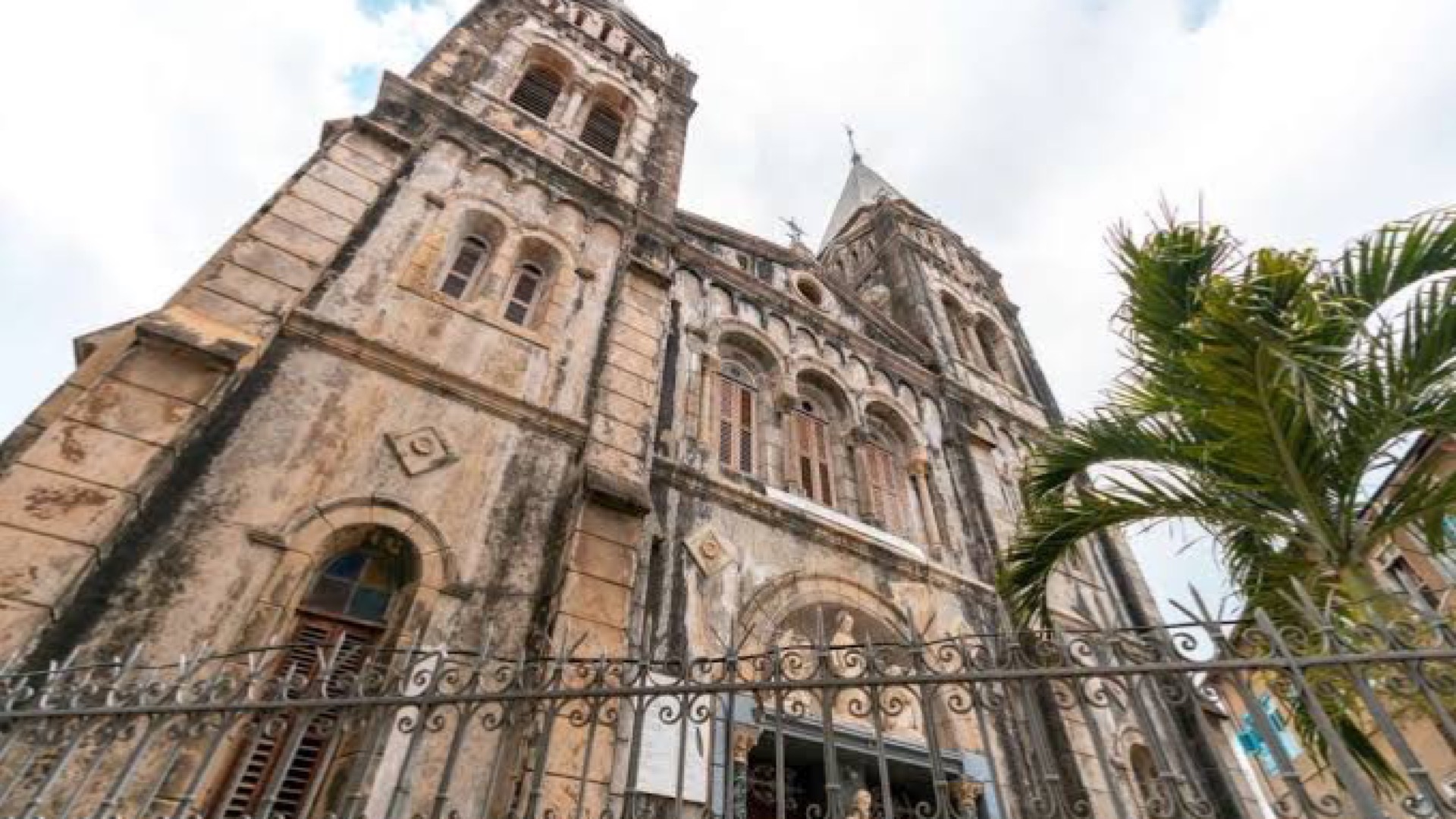
The walking tour begins at the imposing Old Fort, Stone Town's oldest building. It takes you past legendary sites like the House of Wonders, a majestic palace once home to sultans and now a museum; the haunting former Slave Market; and the busy Darajani Market, where the air is filled with the fragrance of fresh spices and tropical fruit. You'll pass the Anglican Cathedral, built as a sign of hope on the site of the old slave market, and may catch the rhythm of a street drummer or see artists depicting vibrant scenes of coastal life. Along the way, you'll see the famous carved doors of Stone Town, each one telling its own tale, and discover hidden squares where locals gather in the evenings to share news and enjoy grilled seafood skewers. Though the walk is short, every stop is steeped in centuries of layered history and culture, making each moment feel immersive and unforgettable. By the end, you'll understand why Stone Town was named a UNESCO World Heritage Site, a clear testament to fusion, resilience, and the enduring spirit of Zanzibar.
Experience Tanzania like a local?
You can't understand Zanzibar's history in one go. Instead of being written on a plaque, it is found in carved doorframes and in market stalls that have changed owners more times in a century than most places do in five.
To book the free walking tour of Zanzibar, visit Tripvalory.com. The tour starts at the Old Fort.
Book for free, choose your language, and then pay what you think the experience was worth.