
The Portuguese stone, the Swahili dhow routes, and 2,000 kilometers of the Indian Ocean meet in Mozambique.
Mozambique doesn't reveal all its secrets at once. If you extend your journey along its two thousand-kilometer stretch of coastline in the Indian Ocean, you'll come across a region shaped by trade winds, dhow routes, and centuries of interaction between East Africa, Arabia, and Portugal. It is a nation where dilapidated colonial buildings stand next to lively coastal markets, and life follows the slow pace of the tides.
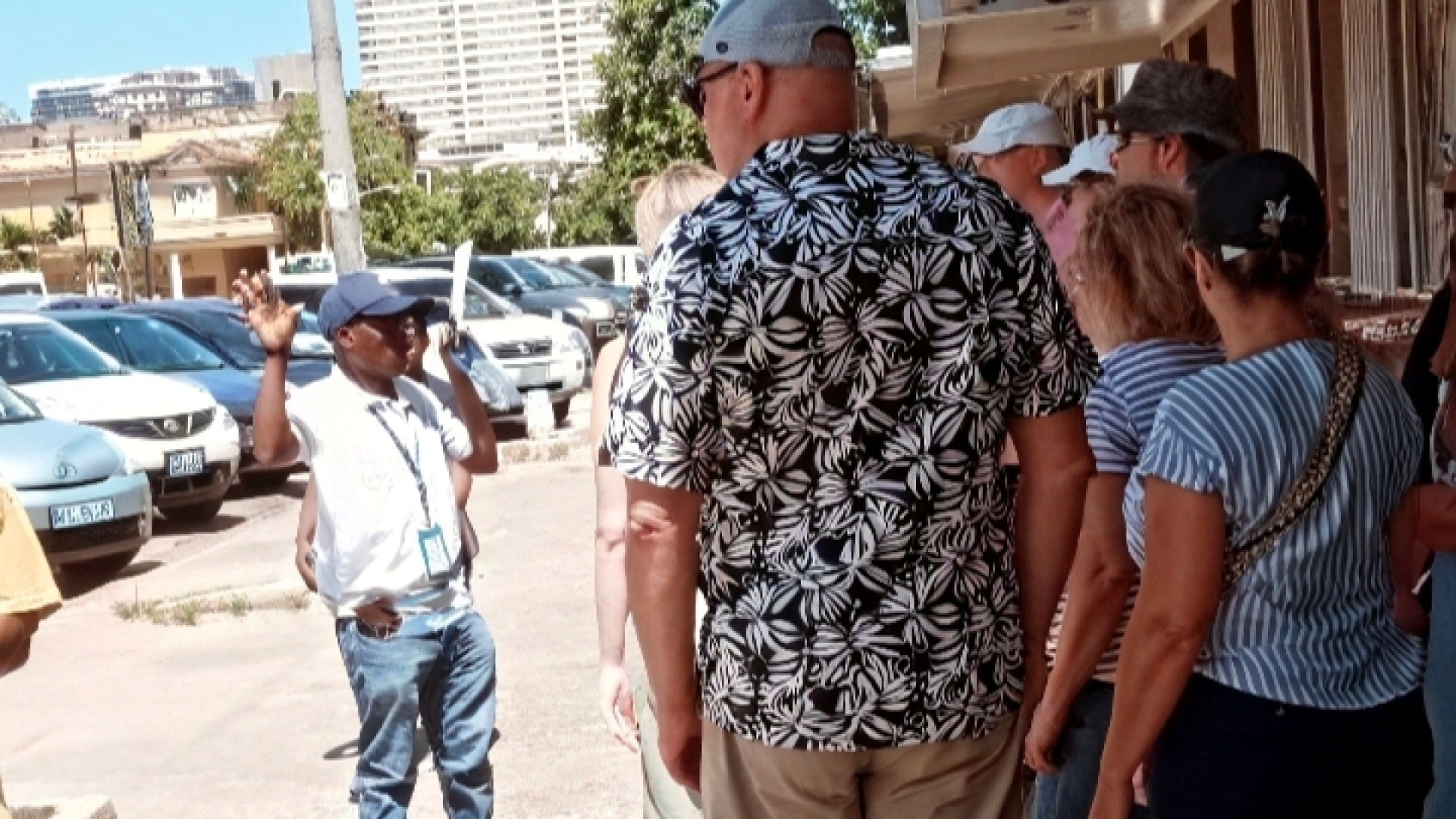
Instead of exploring the city's complex history and wide streets on your own, you can take a free walking tour through Tripvalory.com, which pairs you with an independent Mozambican guide who makes Mozambique's culture and stories clear.
What makes Mozambique different from any other part of Africa?
Mozambique's identity originated at sea. For centuries, its ports were key stops on the Arabian Swahili trade routes, long before Vasco da Gama moored off the country's coast in 1498. This deep-rooted maritime background has created a special mixture of Swahili tradition, Portuguese colonial heritage, and lively local Bantu culture. You can see this in the hand-carved wooden doors of the old islands, taste it in the peri-peri seafood grilled over open fires, and hear it within the rhythm of the local dialect. Each coastal town and island contributes a different aspect of that maritime story.
What areas can you walk in with Tripvalory in Mozambique?
Ilha de Moçambique
Ilha de Moçambique is in the country's historic center and is a UNESCO World Heritage site. The small, crescent-shaped island was the first capital of Portuguese East Africa, and its calm, sandy streets lead you past 16th-century fortresses, magnificent colonial churches, and Macuti Town, where customary island life has always continued.
Maputo
The capital has wide avenues bordered by jacaranda and acacia trees. They surround a clear combination of Mediterranean-style architecture and Art Deco design. It is famous for its vibrant municipal markets, the historic iron structures designed by Gustave Eiffel, and its thriving music scene. Maputo is a relaxed, cosmopolitan city with a distinct coastal character.
Want to experience Mozambique like someone who lives there?
The best way to experience Mozambique is to do it bit by bit, through the eyes of the people who live there. Hidden behind each weathered façade and every lively seaside boulevard is a story waiting to be told.
You can book free walking tours all over Mozambique by visiting Tripvalory.com. Research for free, select your city, your language, and you, ur guand they only know what is appropriate.