
What gives the impression that Morocco is several empires stacked on top of one another?
As soon as you reach one of Morocco's old imperial cities, the Medina draws you in.
The call to prayer bounces off the stone walls. The streets wind so much that you easily lose your way. Before you decide how to reply, the shopkeepers speak to you in several languages. This was deliberate: the walls were meant to slow invaders, and the streets to confuse strangers. Today, they still affect visitors, especially when your phone has no signal.
A map may help for the first ten minutes, then become useless as street names change, GPS fails in covered souks, and the Medina twists in ways no map can show. Morocco is also layered, protective, and suited to people who know it well.
What shapes Morocco's culture and history?
For more than a thousand years, Morocco has been a crossroads, with different cities reflecting different parts of that history. The first rulers were the Amazigh (Berber) kingdoms. After them came the Arab dynasties, which built their empires. When refugees from Andalusia left Spain, they brought architecture and crafts with them. Later, European powers arrived as traders or occupiers, and each left its imprint.
What interests travelers is the way in which
Each Moroccan city mixed these influences differently. Marrakech, founded by the Almoravids in 1070, grew into a fortified capital with a red wall and could project power in the south. Tangier, by contrast, took a different course; because it is closest to Europe, it became a trading gateway and emphasized welcoming travelers rather than keeping them out.
That is why you won't be ready for the next Medina if you visit only one. Every city is defined by its own moment in history, and you can still feel that in the streets.
What Cities Should You See First?
Most people start their first trip to Morocco with two very different cities: Marrakech in the south and Tangier in the north. Visiting both is the quickest way to see that Morocco isn't just one place or one culture. It's a mix of many histories within the same borders.
What does the Medina of Marrakech actually look l
like?
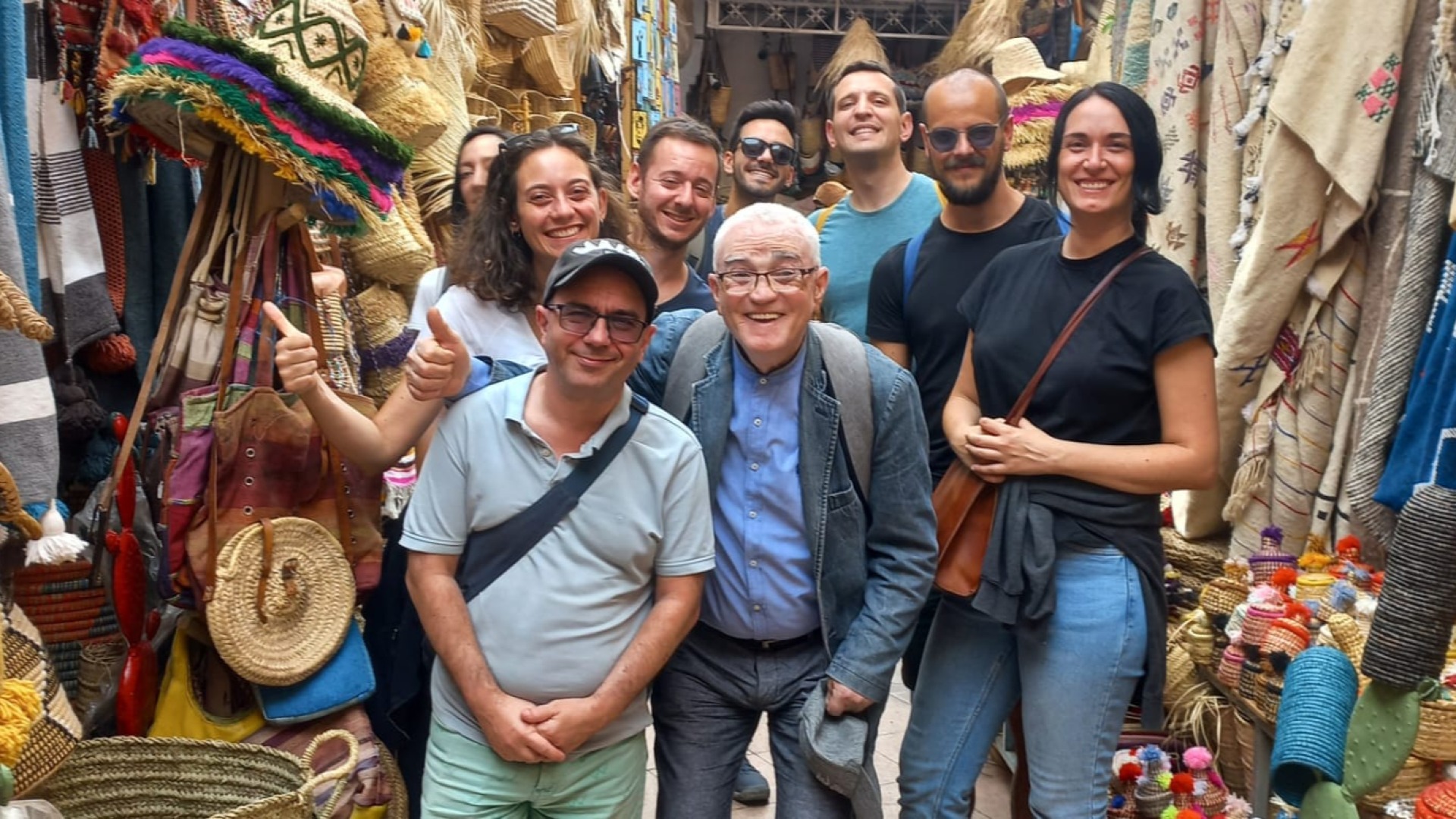
Marrakech makes a strong first impression; once you leave Jemaa el-Fnaa square, you enter a network of covered markets, red clay walls, and alleys that all seem the same.
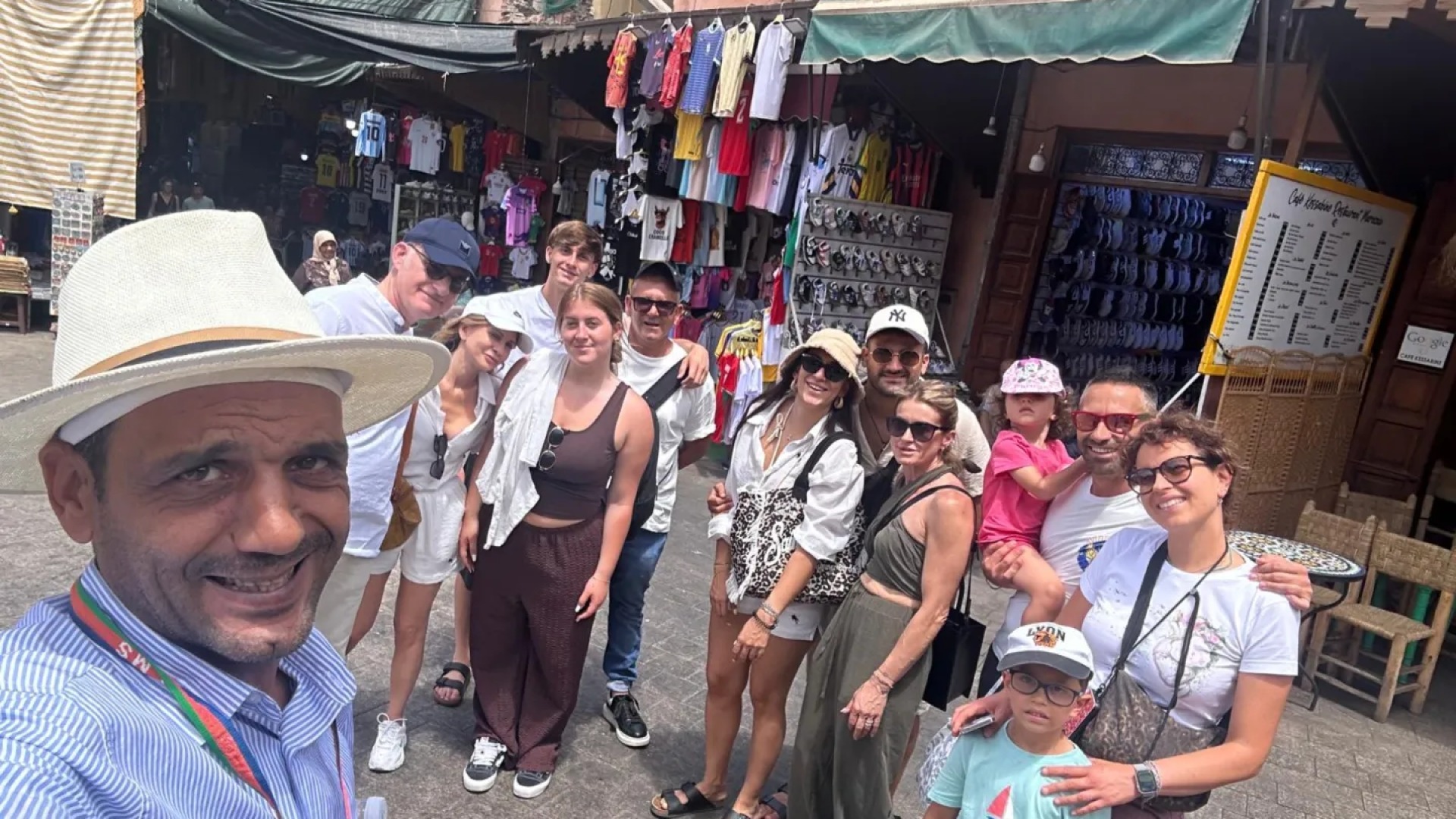
Trade divides the Medina, and a local guide can turn a confusing scene into a chronicle. Souk Zrabi deals with carpets, Lbiadin with textiles, and Rahba Kedima is the square for spices. You can smell it before you even see it. In the market area, several landmarks explain Marrakech: the Koutoubia Mosque with its 12th-century minaret, the Ben Youssef Madrasa courtyard, the 19th-century Dar Timtam palace, and the old slave market, which many tourists pass without realizing its historical value.
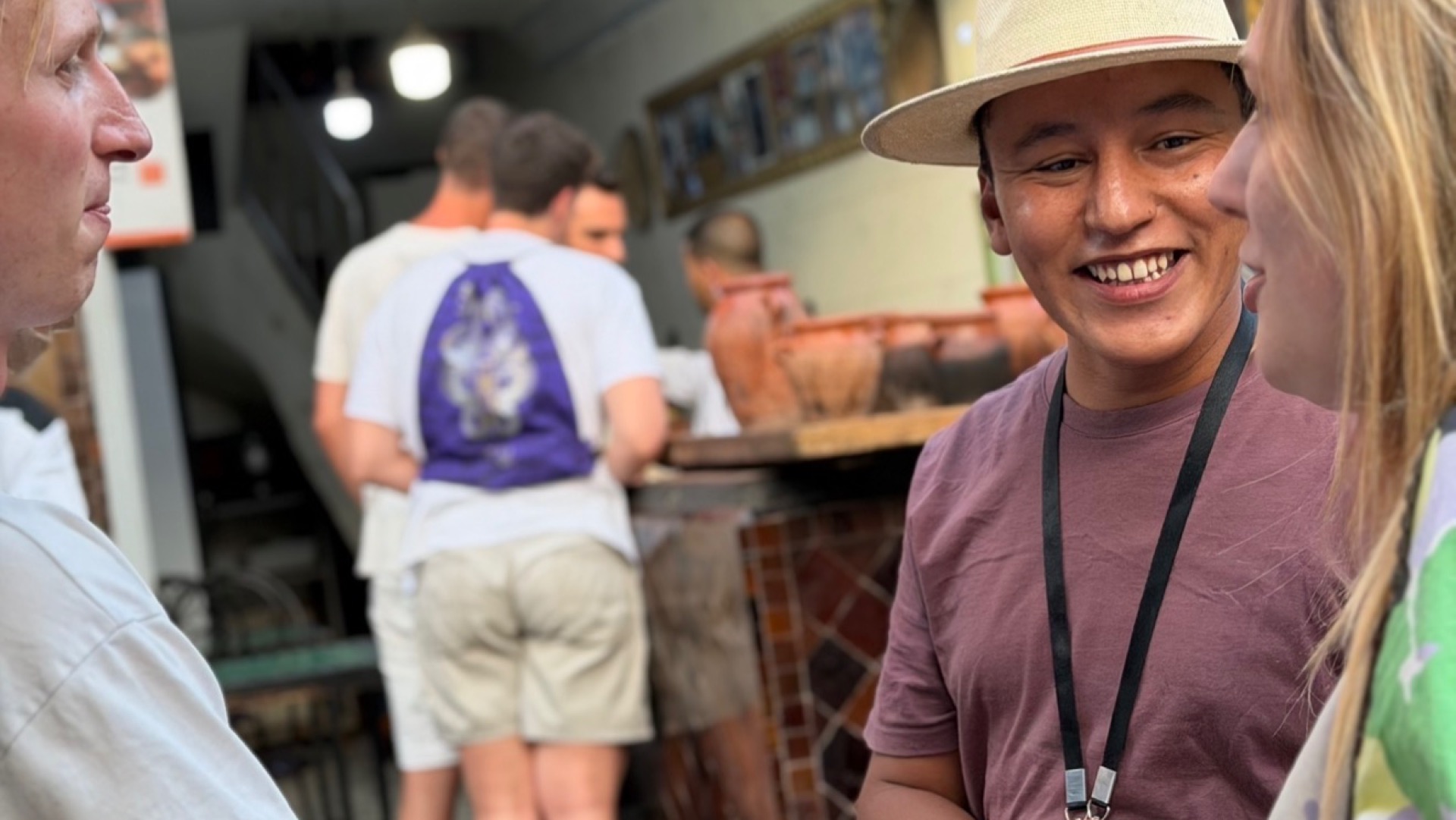
Someone with decades of experience goes beyond identifying buildings; they explain that a market and a royal courtyard, built six centuries apart, can sit only a short distance from each other, and why that is typical in Marrakech.
What To Do in Tangier
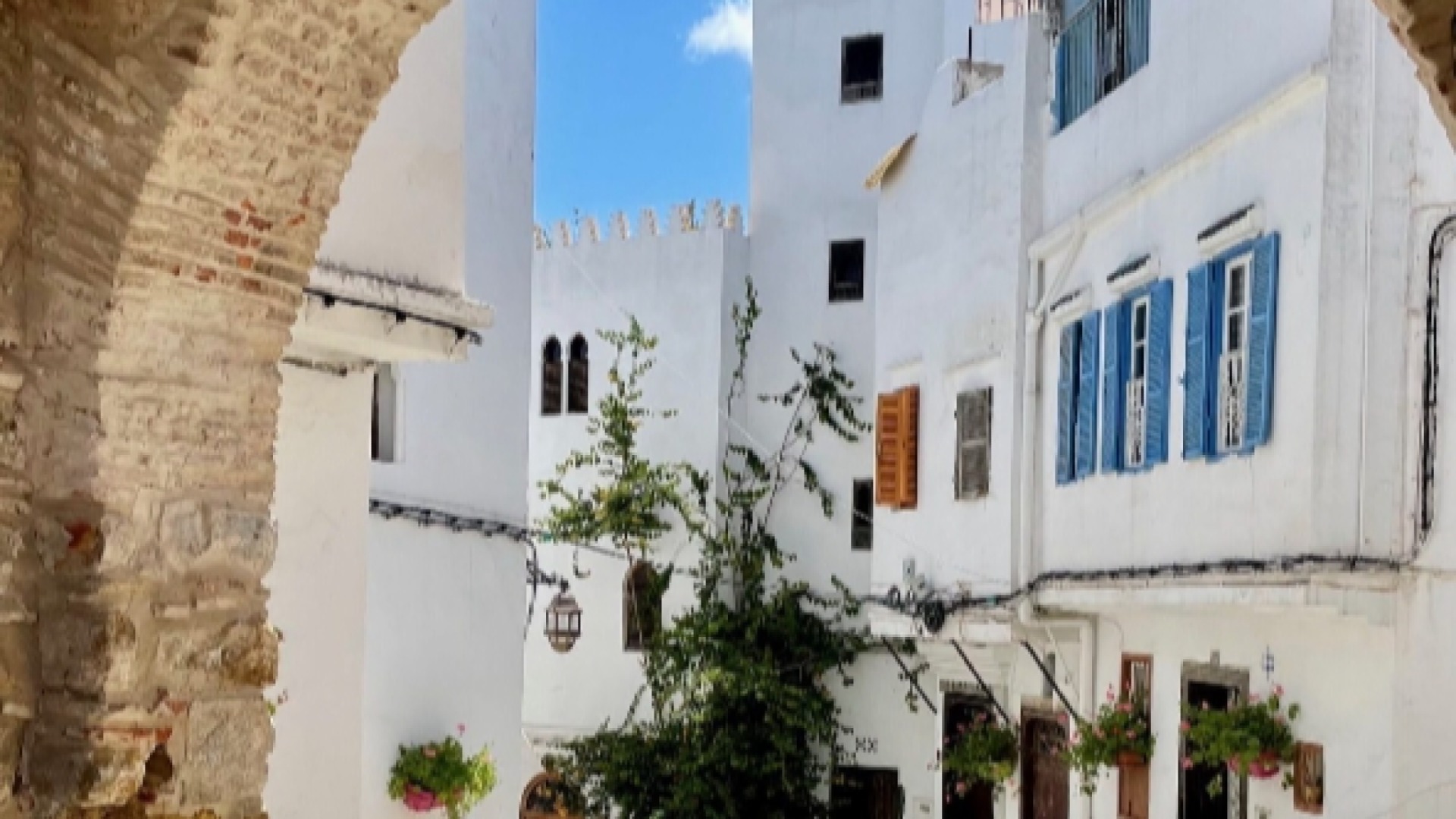
Tangier is known as the Gateway to Africa because of its long history of interaction with Europe. It is immediately clear that it differs from Marrakech. The city is quieter, harder to define at first, and defined by many levels of history.
The Kasbah sits above the city; it once served as a defensive position and now offers views over the Medina. The Grand and Petit Socco are busy squares where locals shop and go about daily life, not simply places for photos. From the Kasbah, you can see Spain across the Strait of Gibraltar, which helps explain why Tangier developed as a crossing point rather than a fortress.
What ought tourists to know before going to Morocco?
Dress modestly, especially near mosques, madrasas, and the Kasbah; as a general guideline, women should cover their shoulders and knees, and this is also more comfortable in hot weather. Since the streets of the Medina are uneven, comfortable walking shoes are advisable because a walking tour may cover several kilometers.
The local currency is the Moroccan dirham (MAD), and for small purchases, such as entry to a monument or goods in the souks, cash is still used in most cases. While hotels and larger restaurants accept credit cards, it is easier to have dirhams in the Medina.
The most common tourist trap in each city is an unofficial guide who spots you in a difficult situation, helps you, and then takes you to a shop where he receives a commission. This is generally not dangerous, only inconvenient and expensive. You can avoid it by booking an independent local guide in advance since you won't look lost.
In Morocco, tipping depends on genuine appreciation rather than a fixed percentage; with Tripvalory tours, this principle is built in: you can book free of charge and then pay your guide afterward based on how valuable the experience seemed to you, with around €5 per person as a reasonable starting point.
Want to experience Morocco like a local?
You won't be able to properly experience Morocco by looking out of a bus window, since the most interesting things are hidden behind ordinary doors and plain walls and can only be found with the help of someone who knows the area.
You can book a free walking tour in either Marrakech or Tangier at Tripvalory.com. Booking is free: you choose your city and guide, then pay afterward based on how much you think the tour was worth.