
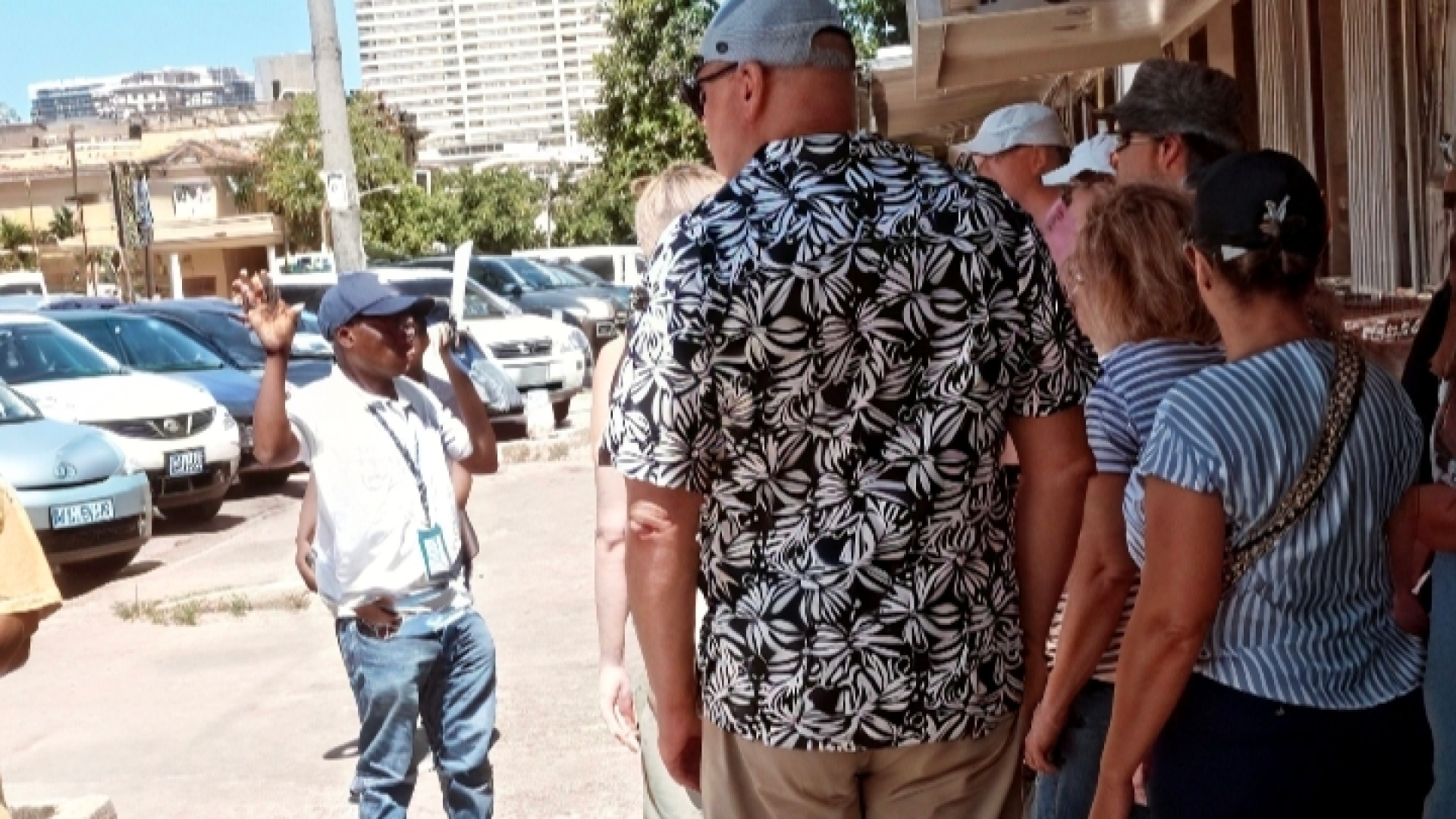
Finding the hidden history and the appeal that is concealed along theong the streets and seafront areas
front areas.
Entering the lively center of Maputo immediately exposes you to warm sea breezes from the Indian Ocean, the spirited rhythms of Marrabenta music, and a diverse range of architectural styles that combine Portuguese colonial heritage, striking metal construction, and Art Deco features.
Within just a few minutes the usual speed of normal travel decreases, so that you find yourself in a area where large jacaranda and acacia trees form canopies over the broad boulevards and the busy market stalls are full of energy.
Instead of trying to understand this complex capital structure yourself, you can access the city by changing your approach.
Take the free walking tour available on Tripvalory.com to turn exploring these historic roads into an amazing adventure.
When you travel with independent local guides who know these streets well, the markets and historic districts come alive with a distinct, engaging story.
What is it that causes Maputo to be known as the City of Acacias?
A question that travelers often ask themselves before they arrive is where the city's distinctive colour scheme and abundant greenery come from. The city acquired its well-known nicknames, that of the City of Acacias (Cidade das Acácias) and the Pearl of the Indian Ocean, because of the thick rows of flowering flame trees which are planted along its avenues, as well as the warm red-clay soil and coastal stone used in its historic masonry.
In the 19th century when the Portuguese planners extended the city's layout, they constructed broad and well-ventilated avenues intended to carry the sea wind and provide the pedestrians with shade from the tropical sun; they also laid out a grid system linking the lower port area (Baixa) with the more elevated residential cliffs of Polana.
Now, this same historic design lets you walk beneath a canopy of Portuguese stone tiling (Calçada Portuguesa) alongside lively modern African street art.
How can one prevent getting lost in the avenues and Baixa district of Maputo?
Attempting to untangle this rich architectural puzzle on your own often means missing hidden historical layers, but walking with local guides like Mateus or Amélia completely reframes your perspective. Navigating with a true local offers several specific advantages:
- With heads-up exploration, rather than anxiously staring at the flashing GPS blue dot on your smartphone, you can look up and take in the pastel Art Deco balconies, the street sculptors, and the daily life going on around you.
- Storytelling in context: A local guide can easily cover the huge span of history, since by taking only a short walk from a busy spice market to an oceanfront fort one can see representations of centuries of trade in the Indian Ocean, Portuguese colonial rule, the liberation struggle led by Samora Machel, and modern Mozambican culture.
- To avoid aggressive, unofficial street vendors or overpriced tourist traps, tripvalory experiences emphasize authentic cultural education and history.
- discovery.
- The confidence needed to enter specialized merchant districts and craft markets can be daunting, and your guide acts as a useful companion by teaching you the cultural skill of courteous negotiation in Portuguese, helping you identify genuine hand-carved wooden artworks and capulana fabrics, and indicating when a price is reasonable.
What is the best time of day to visit Mercado Central and FEIMA?
Only by watching Maputo's daily routines unfold can you fully appreciate the legendary energy of Mercado Central and Baixa.
When you meet your local guide in the morning outside the central landmarks, you will see a busy market area at Mercado Central (Central Market), in which the vendors neatly stack fresh cashews, tropical fruits, wild-caught prawns, and aromatic spices underneath a classic dome building from the 1900s.
In the morning, the downtown area (Baixa) is quiet and refreshing, making it perfect for enjoying the architectural details before the afternoon heat sets in.
FEIMA & The Waterfront
By the time the afternoon is over, the city's activity moves to the leafy gardens of FEIMA (the craft, flower, and gastro market) and the coastal Avenida da Marginal.
When the golden hour is ending over Maputo Bay, the mobile stalls have hand-carved wooden figures and canvas paintings on show, and the open-air kitchens are giving off charcoal smoke and the delicious smell of real galinha à zambeziana (peri-peri chicken).
What historical sites are worth visiting in Maputo?
Maputo's essential character rests on a sharp contrast: heavy industrial iron-and-stone construction that hides lush tropical courtyards and a vibrant artistic heritage.
Maputo Railway Station (Estação de Comboios)
A central feature of the walking routes is a detailed look at the Maputo Railway Station, situated at Praça dos Trabalhadores. This Beaux-Arts-style station, with its green-and-white scheme, is one of the most magnificent train stations in the world and includes a grand central dome associated with Gustave Eiffel, elaborate wrought-iron pillars, and old steam locomotives that illustrate the history of southern Africa's early trade routes.
Casa de Ferro (The Iron House)
Along the path is another example of architectural creativity: a one-of-a-kind prefab building designed entirely using imported Belgian iron sheets by Gustave Eiffel's engineering team. Although it was originally meant to be a governor's residence, this metal house now serves as a fascinating historical curiosity. At this monument, visitors can learn how European industrial architecture clashed with the conditions of tropical African heat.
Fortaleza de Maputo (Maputo Fortress)
By the harbor waters stands a serious reddish stone monument called the Maputo Fortress. This historic square fort was an important defensive position on the Indian Ocean trade routes. With a local guide, you can enter through its heavy wooden doors and discover the area's complex transitions from one empire to another, the conflicts over maritime power, and the history of Ngungunhane, the legendary last ruler of the Gaza Empire.
Tunduru Botanical Gardens & Cathedral of Our Lady of the Immaculate Conception
The Botanical Gardens, a tranquil tropical sanctuary, are situated in the center of the downtown area and were designed in the late 1880s by the British landscape architect Th. The Maputo Cathedral, with its tall white spire, is only a short distance from Praça da Independência and provides a striking illustration of 1930s Art Deco architecture, which gives the city's modern skyline its characteristic appearance. What clothing should tourists bring, and how can they leave tips? Do Tips Work?
To keep your walk through the historic avenues and coastal plazas comfortable and in line with local etiquette, keep these essentials in mind. The tipping structure is completely transparent. You can book your place without having to pay any money in advance, make the most of the entire experience, and then tip your independent local guide at the end of the walk according to the value they had provided.thTip in the local currency: It is important to give your tips directly in Mozambican Meticais (MZN); if you give an independent guide foreign banknotes, he will have to waste his own time queuing up at the bank, paying high exchange fees, and going through unnecessary administrative procedures.atAs for what to pack and what to wear, it's best to take sturdy walking shoes that have already been worn to comfortably cover three hours of walking on uneven sidewalks and paved plazas. You should also pack a water bottle and apply sunscreen to protect your skin from the sun.