
Why Does Argentina Feel Like Several Different Countries at Once?
A ten-hour bus ride here can cross more climates and cultures than a flight between countries.
The bus climbs out of the flatlands somewhere north of Tucumán and the color of the ground starts changing every twenty minutes, ochre to rust to a deep purple-red that doesn't look like it belongs on this planet. Windows fog from the temperature swing between valley floor and mountain pass. Somewhere a few seats back, someone's grandmother has brought her own mate gourd and thermos for the ride, and by the second hour half the bus has taken a turn drinking from it, passed hand to hand the way it's been passed for centuries. This is northwestern Argentina, and it feels, physically, like a different country from the tango halls and steakhouses most people picture when they hear the name.
That's the throughline of Argentina itself: a country too large and too geographically varied to sum up in one image. Glaciers calve into lakes in the south. Vineyards climb dry mountain slopes in the west. The pampas roll flat and green enough to farm a continent's worth of beef. And in the northwest, colonial cities like Salta sit at altitude, closer in spirit to Bolivia and Peru than to Buenos Aires eighteen hours south by road.
What Defines Argentina's Culture and History?
Argentina's identity was shaped by waves of immigration on top of a deep Indigenous and Spanish colonial base, mostly Italian and Spanish arrivals in the late 1800s and early 1900s, which is why so much of the country's food, language rhythm, and even its version of Catholicism carries a distinctly European inflection layered over older roots. That immigration wave landed hardest in Buenos Aires and the coastal provinces, which is part of why the capital can feel like a different country from the interior.
The northwest tells an older story. This region sat on the southern edge of the Inca Empire before Spanish colonization, and Quechua and Indigenous Andean traditions here run deeper and closer to the surface than almost anywhere else in Argentina. Salta and its neighboring provinces were also strategically important during the wars of independence in the early 1800s, serving as a staging ground against royalist forces coming up from the south, which is why the city still holds onto its colonial core with real pride rather than treating it as a tourist backdrop.
Mate culture threads through the entire country regardless of region, a shared ritual of drinking yerba mate from a gourd through a metal straw, passed between friends and strangers alike. It's less a beverage than a social contract, and understanding it goes a long way toward understanding how Argentines build community in public spaces.
Which City Should You Visit First?
Argentina rewards a slow trip more than a rushed one, but if you're picking a single place to start beyond Buenos Aires, Salta is the strongest case for a first stop in the country's interior: walkable, colonial, high-altitude, and close enough to some of Argentina's most dramatic landscapes that a few days here can anchor an entire northwestern loop.
Salta
Salta sits at nearly 1,200 meters in a valley ringed by mountains, and the air itself tells you you're somewhere different from lowland Argentina, thinner, drier, colder at night than the daytime sun suggests. The city's main square is anchored by its cathedral, a striking pink-and-cream facade that locals treat as the literal and symbolic center of town, and from there the compact historic core spreads out in walkable blocks lined with colonial-era buildings that have survived earthquakes, wars, and two centuries of Argentine political upheaval.
The Cathedral of Salta itself, rebuilt in its current form in the 1800s after earlier versions were damaged by earthquakes common to this Andean-adjacent region, holds the remains of several independence-era military leaders, a detail that connects the building directly to the wars fought to secure Argentina's sovereignty. A few blocks away, the Basílica Menor de Salta draws pilgrims for its religious significance beyond its architecture, a reminder that faith here isn't performed for visitors, it's practiced daily by the people living around it.
The Cabildo, Salta's old colonial town hall, now operates as a museum and is one of the best-preserved examples of Spanish colonial civic architecture left standing in northern Argentina; its whitewashed arches and courtyard give a clear sense of what municipal power looked like under Spanish rule, long before the building settled into its current life as a place to learn about that history rather than exercise it.
Iglesia San Francisco is the city's most photographed building for a reason: its ochre-and-white facade and tall bell tower stand out even against Salta's already colorful downtown, and the church remains active for worship rather than functioning purely as a landmark. Convento San Bernardo, one of the oldest religious buildings in the city, keeps a lower profile but rewards those who seek it out with some of the best-preserved colonial religious architecture in the province, largely because its cloistered order has kept much of the building closed to casual foot traffic and therefore better protected than more heavily visited sites.
Plaza Belgrano, near the edge of the historic center, is a good place to end a walk through Salta: quieter than the main cathedral square, shaded, and a genuine gathering spot for locals rather than a stop built for tour buses.
What Should Travelers Know Before Visiting Argentina?
Argentina's currency is the peso (ARS), and the exchange rate situation here has been genuinely volatile for years, so checking a current rate right before you travel matters more in Argentina than in almost any other country you might visit. Cash, particularly US dollars, has historically gotten better exchange rates through official or semi-official channels than card payments, though this shifts with policy changes, so it's worth confirming the current setup close to your trip rather than relying on older advice.
Tipping in Argentina runs lighter than in the US: around 10 percent at sit-down restaurants is generous and appreciated but not rigidly expected, and for a free walking tour, the tip is genuinely the guide's income, not a bonus on top of a fee, so it's worth budgeting a fair contribution rather than treating it as optional.
Salta's altitude is mild compared to cities like La Paz or Cusco, but it's still enough that some travelers arriving from sea level feel it in mild headaches or fatigue the first day; hydrating well and taking the first afternoon slow is a reasonable precaution. Dress for the northwest's dry climate and big daily temperature swings, layers that work for a cold morning and a warm afternoon, and modest coverage if you plan to step inside any of Salta's active churches.
Petty theft in crowded tourist areas is the main practical risk across Argentina's major cities, similar to most well-traveled destinations: keep bags zipped and in front of you, and be alert around bus terminals and crowded markets specifically, since that's where most tourist-targeted theft actually happens.
Walking Argentina With Someone Who Actually Lives There
A guidebook can tell you Salta's cathedral is pink and that the Cabildo used to be a town hall. It takes someone who grew up walking these same blocks to explain why the city still feels closer to Bolivia than to Buenos Aires, or which corner of Plaza Belgrano the locals actually use for their evening mate.
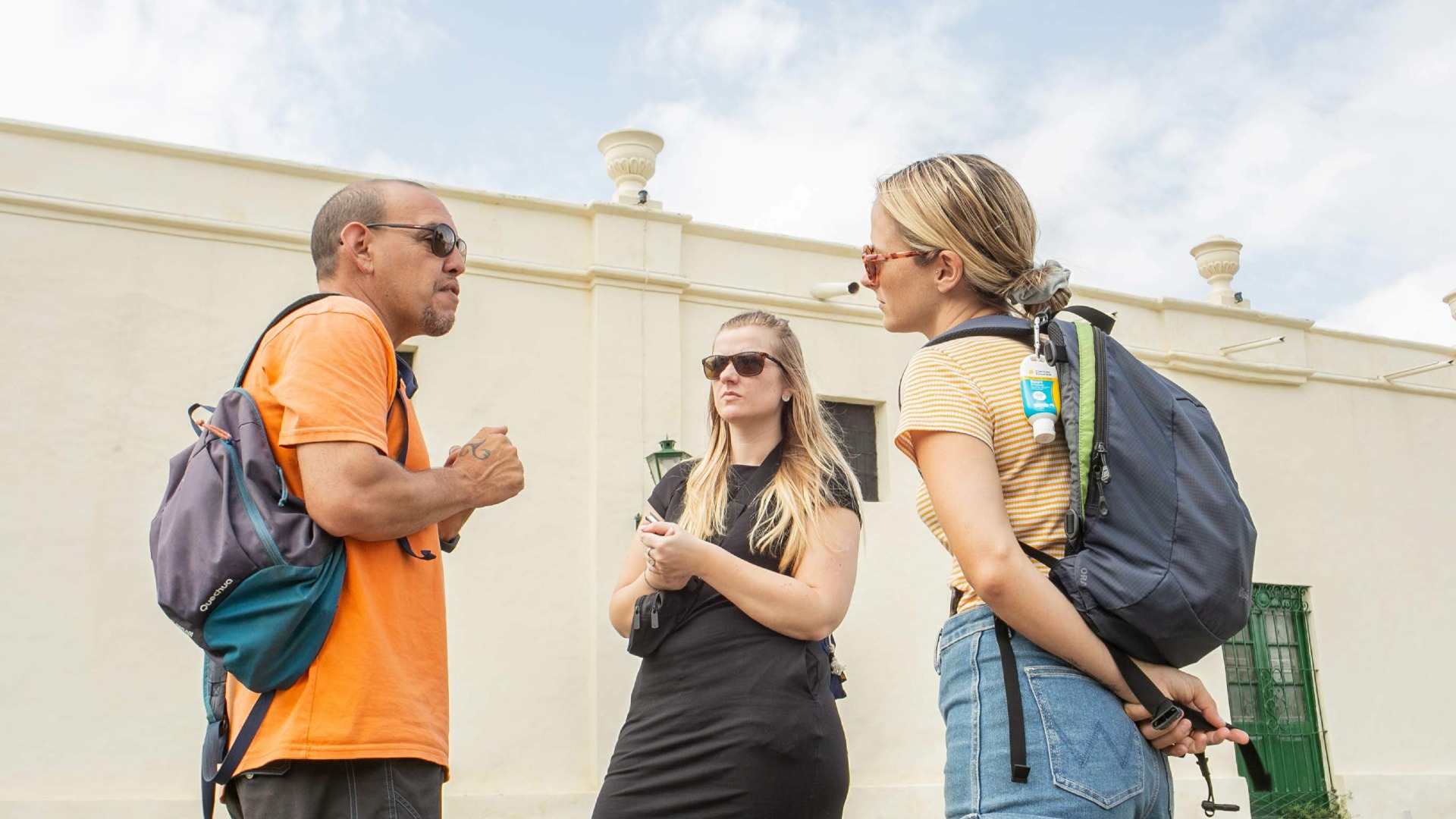
That's what Salta Free Tour offers: a relaxed walk through the historic center covering the cathedral square, the Basílica, the Cabildo, Iglesia San Francisco, Convento San Bernardo, and Plaza Belgrano, led by a local guide who knows the city's rhythms rather than just its landmarks. It's free to join, with your guide paid at the end through whatever tip you feel the experience earned. If Salta is your entry point into Argentina's interior, it's a solid, low-risk way to see the city properly before heading further into the northwest.