


The Story Behind TripValory
Dreamers Behind the Scenes: The Three of Us

It all began a decade ago, when three friends shared a passion for travel and discovery. We wanted to understand how people lived, what shaped their worldviews, the languages they spoke, the food they prepared, the crafts they created, and the way they expressed themselves through music and art.
Throughout our journeys, local people consistently inspired us. They introduced us to the history of their communities, explained traditions, revealed hidden gems, and helped us see places through a deeper and more authentic perspective. Most locals were welcoming and eager to help.
Yet, not every experience was positive. Occasionally, we encountered situations where visitors were viewed only as sources of income, creating experiences that felt transactional rather than meaningful.
One day, while discussing our travels, we saw an opportunity to do something different: a platform that would help travelers connect with trustworthy local experts who genuinely wanted to share their knowledge, culture, and passion.
From that moment, TripValory began to take shape.
We carefully considered everything travelers need when visiting a new destination and designed a model that places both travelers and local experts at the center of the experience. Whether someone is seeking a guide, a chef, an artisan, or another local specialist, our goal is to help create meaningful connections that enrich every journey.
A Brief History of Tourism
The Human Journey of Discovery
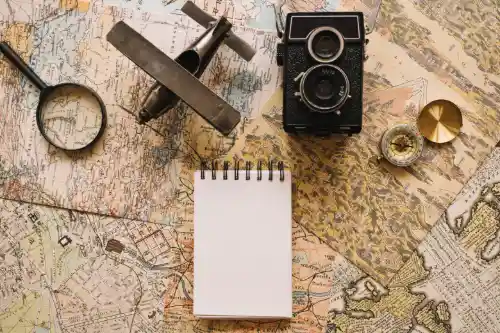
Tourism is not a modern invention. The desire to explore has accompanied humanity for thousands of years.
In ancient Greece and Rome, people traveled to attend the Olympic Games, visit famous landmarks, or seek healing in thermal springs. The Romans even developed roads and accommodations that made travel more accessible for wealthy citizens.
During the Middle Ages, travel often took the form of pilgrimage. Individuals journeyed long distances to sacred destinations such as Jerusalem and Santiago de Compostela, motivated by faith and spiritual purpose.
The nineteenth century brought major transformations. Railways and steamships connected regions and continents more efficiently than ever before. Many travelers crossed oceans seeking opportunity, employment, and a better future. The story of Nikola Tesla, who emigrated from Serbia to America with little more than his ideas and determination, reflects this era of movement and ambition.
Two devastating world wars marked the twentieth century. International travel became difficult as nations focused on survival and recovery.
After 1945, however, a renewed desire to explore emerged. People wanted to reconnect with the world, discover new cultures, and rebuild international relationships after years of conflict.
The Spirit of the 1970s
Travel to Find Yourself
The 1970s introduced a new philosophy of travel.
Young people across Europe and other parts of the world began questioning traditional lifestyles and searching for alternative ways of living. The rise of the hippie movement inspired countless travelers to venture beyond familiar destinations.
Countries such as Morocco and Tunisia became popular among backpackers seeking cultural exchange, personal growth, and spiritual exploration.
For many, travel was no longer about necessity. It became a path toward self-discovery.
The Rise of the Global Tourism Industry
Tourism Connects the World
As international travel became more accessible, tourism evolved into a major global industry.
Hotels expanded, transportation improved, and destinations worldwide developed infrastructure to welcome visitors. Governments increasingly recognized tourism as an important source of economic growth and cultural exchange.
Over the last four decades, tourism has grown into a powerful force that strengthens connections between people from different backgrounds and encourages mutual understanding.
The Role of Sports in Tourism
When Passion Inspires Travel

Sports have become one of the world's strongest motivations for travel.
From international football matches and Olympic Games to marathons and other sporting events, millions of people travel each year to support their favorite teams, experience unique atmospheres, and connect with fellow fans.
Cities hosting major events often create special experiences, guided tours, and cultural activities that enhance visitors' stays and contribute to local economies.
Sports tourism demonstrates how shared passions can bring people together across borders and cultures.
The Internet Revolution in Travel
A New Era of Connection

The internet transformed tourism in ways previous generations could never have imagined.
Travelers can now research destinations, share experiences instantly, connect directly with local people, and access information from virtually anywhere in the world.
This digital revolution has encouraged new forms of tourism centered around authenticity and human connection. Visitors increasingly seek experiences that allow them to participate in local life, whether by staying with families, joining community activities, or learning traditional skills.
Today, nearly every aspect of culture and daily life can become part of a meaningful travel experience.
The TripValory Impact
Redefining Trust Between Travelers and Locals
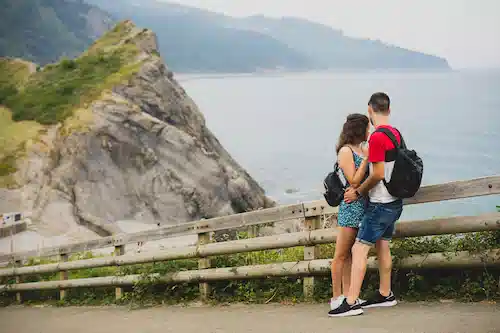
At TripValory, we believe trust is one of travel's most valuable elements.
Our mission is to help travelers discover trusted local experts who can provide guidance, knowledge, and support in a genuine and accessible way.
Having someone reliable by your side can save time, reduce uncertainty, and create more enriching experiences.
By empowering local experts to share their knowledge on their own terms, we create opportunities that benefit both visitors and local communities.
Tourists versus Travelers
Understanding the Difference

A common debate in tourism concerns the distinction between tourists and travelers.
Tourists often prefer structured experiences that prioritize convenience, comfort, and security. While these experiences can be enjoyable, they may sometimes limit opportunities for deeper cultural engagement.
Travelers, on the other hand, tend to create their own paths, seeking more independent and authentic experiences.
TripValory was inspired by the idea that people should not have to choose between these approaches. We believe you can enjoy the comfort and safety often associated with tourism while keeping the freedom, flexibility, and authenticity travelers value.
Why We Do This
The Heart of TripValory
For us, connecting travelers with local experts is more than a business concept.
We believe meaningful human connections matter. Every positive interaction between people from different cultures contributes to a more understanding, welcoming, and connected world.
Our vision is to make exploration easier, more accessible, and more rewarding for everyone.
We see TripValory as part of a global movement that encourages curiosity, kindness, and cultural exchange.
Starting with Purpose
The Power of Free Tours
We began our journey with free tours because we believe meaningful experiences should be accessible to everyone.
Free tours remove barriers and create opportunities for visitors of all backgrounds and budgets. They foster genuine interactions based on curiosity, learning, and shared experiences, not obligation.
By delivering quality experiences from the start, we build trust among travelers, local experts, and the TripValory community.
These experiences create a positive cycle. Travelers who feel welcomed and valued are more likely to share their stories, return, and support local communities. At the same time, local experts gain visibility, recognition, and opportunities to showcase their knowledge and passion.
For TripValory, free tours are not simply an activity. They represent the foundation of a more human, personal, and authentic way to explore the world.