
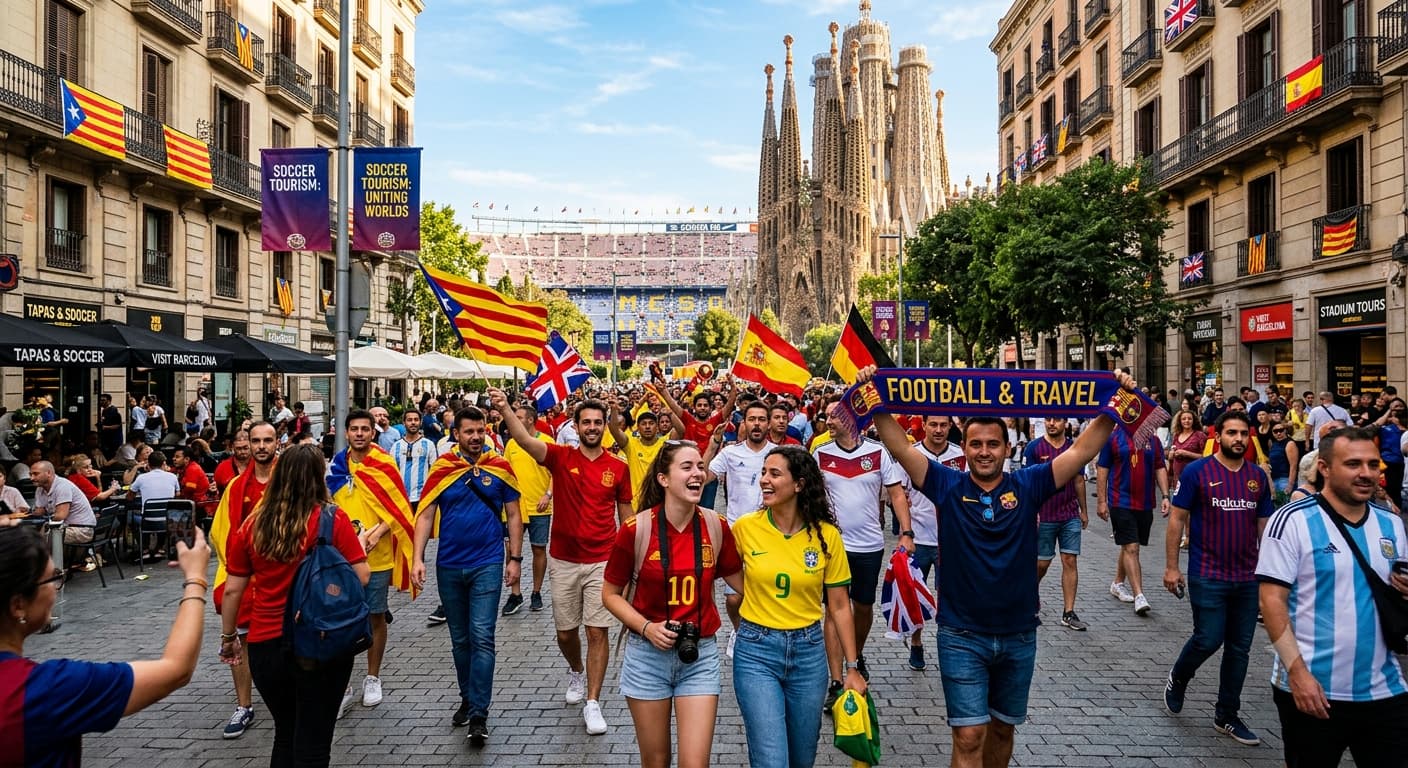

Soccer as a Driver of Tourism
Soccer may be just a sport, but millions of fans worldwide see it differently. It’s a way to discover new parts of the world. And this deep connection between the tourism industry and our favorite sport only grows stronger each year.
When you travel for a match, tournament, or even a stadium tour, you’re embracing the whole concept of sports tourism. Soccer is at the heart of global travel helping shape the fortunes of local hospitality industries and driving economic development along the way.
There are countless examples that show how the two work together. From the most dedicated fans traveling internationally to cheer on their team, right down to visiting local pubs where friendly matches happen weekly, the relationship between tourism and soccer shows no sign of cooling off anytime soon.
Passion for the beautiful game drives much of the travel sector today not just watching matches online, but actually being there when the action happens. That means everything from hotel bookings and restaurant reservations, all the way to transport companies who ferry thousands into stadiums.

And what’s fascinating is how far reaching these effects really are. For many locations, soccer isn’t just about cheering for your country’s national team it’s one of several key attractions that drive tourist spend and help promote a destination to the outside world.So whether you're traveling abroad for a big event or visiting friends nearby, chances are good that soccer played some role in making those plans happen!
As we've seen with local league fixtures growing evermore popular globally over recent years (and particularly during pandemic lockdowns), match day travel remains another huge contributor to tourism numbers providing jobs both directly related to hosting sporting events themselves plus indirect benefits elsewhere too.It goes without saying then why investing in facilities capable of accommodating large crowds safely remains such an important focus area going forward.Tournaments at this scale will always be able to attract significant numbers of tourists to their host cities.
In events like the FIFA World Cup or continental and international club championships, these travelers can often remain in the city for multiple days, creating additional economic benefits for the area through spending during that period. Many destinations consider soccer tourism a massive potential source of revenue, given those factors.
The Role of Fans in Sports Tourism
In addition to its economic impact on hotels, transportation services, and food vendors, soccer brings much-needed global attention to host cities. When a city plays a key match, a famous club comes to town, or an athlete from there makes history on the pitch, it gets covered worldwide. These moments become talking points across social platforms, in international news reports, and when people plan their next vacation. And while they might have visited years before or never traveled to your city, this attention can inspire a post-event influx of visitors.
Sports tourism is more than just about attending events; it's about creating an emotional connection between spectators and their favorite sport. Soccer fans travel specifically for unique experiences related to the beautiful game. Some wish to watch a renowned stadium’s action up close while others look forward to participating in local derbies or seeing a championship final unfold. Still others seek out the thrill of watching elite players compete alongside exploring local culture and traditions. Football tourism allows these travelers to create once in a lifetime memories involving both personal passions (soccer) and broader interests (traveling).
The growing popularity of sports-related tourism indicates how far we’ve evolved as travelers ourselves from merely visiting places physically, to seeking memorable experiences emotionally tied back home. It explains why such trips remain incredibly popular today: they provide what most modern travelers desire above all else an unforgettable adventure filled with emotion and excitement!
When planning a trip focused around football, many tourists take advantage by combining sporting activities with exploring new places entirely! This dual focus contributes heavily toward driving increased interest among young audiences who crave novelty filled journeys full of surprises every step along the way.
These experiences are important because they bring tourism value even outside the match calendar. A stadium can attract visitors throughout the year, not only on game days. That makes football a stable and valuable part of the tourism industry. For many cities, a famous club or stadium becomes as important as a museum or monument.