
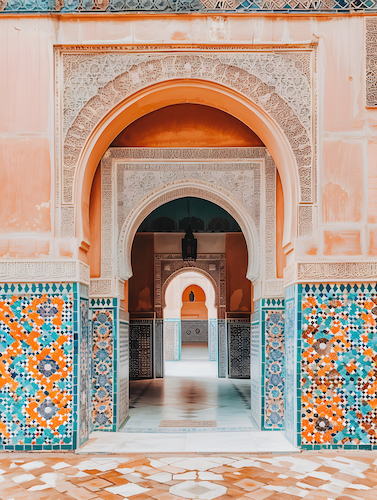

Sacred sites can be one of the most photographed and visited spots on your trip's itinerary… but also some of the most misunderstood.
A sacred site, whether a temple, mosque, shrine, or cathedral, is more than a backdrop; it's where the community that calls the place home practices their religion, so showing respect here goes beyond worrying about inadvertently offending anyone. You'll be joining them in their worship space as an honored guest.
Here's what you need to know before visiting a sacred site.
Dress the Part, Wherever You Are
There are exceptions; dress codes depend on religious and regional norms, but here are some tips that work nearly anywhere:
Always cover up your shoulders & knees; bring along a lightweight scarf/sarong (most sites have them for rent/loan at entry), but it's quicker & often free if you travel light with your own.
Avoid swimwear & gym wear, even if you're going from beaches to temples all day long. Go for sheer or tight clothing instead.
You might have to cover your head at some Sikh gurdwaras (places of worship), some mosques, and specific churches that ask for that, especially with scarves for women, and sometimes for men too, depending on the faith.
Always take off your shoes if you see them! Some Buddhist and Hindu temples, most mosques, and lots of shrines require you to remove your shoes. You'll usually find either a shoe rack or a pile of sandals next to the entrance.
Behave Like a Guest, Not a Tourist Attraction Hunter
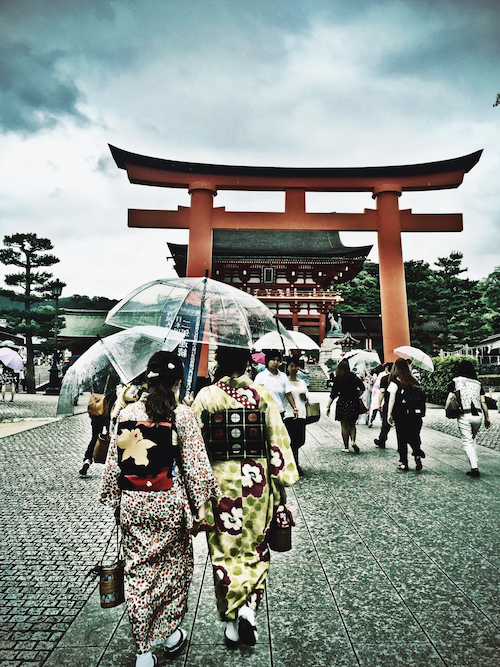
Mind Your Volume and Movement
Keep your voice down. There might be worship going on all around you at this time of day.
You may want to save your more boisterous conversations for when you're back on the outside looking in.
There's always a reason certain directions of travel are preferred at many holy places, perhaps clockwise around some stupas and such. Just follow the locals' lead.
You probablydon'tt need this reminder, but try hard to remember that some things aren't yours to touch: statues, offerings, prayer beads, altars… leave them alone unless asked otherwise.
Respect Body Language and Personal Space
Keep your feet out of their business. Many Buddhist/Hindu cultures consider it impolite (or even disrespectful) to point the soles of one's feet toward a statue, offering, or person. When sitting on the floor, sit cross-legged or tuck your feet back behind you.
If a ceremony is underway, try not to settle into the center of action; instead, find a spot where you can watch from the sidelines while they're bowing and chanting, and hold your own silence!
Photography Etiquette
There's no definitive answer here; different temples have wildly varying rules about cameras and photography. That said, there are a few general guidelinesI'dd suggest sticking to, wherever you go:
Try to find signs stating camera/policy info upon entering the temple/courtyard area
Never take photographs of anyone who is in a place of prayer or worship (even if this is permitted inside)
Respectfully abide by any restrictions placed around certain areas within the temple grounds that may be more private than others.
If you're unsure, politely ask temple staff/guides whether photography is permitted and, if so, what rules apply!
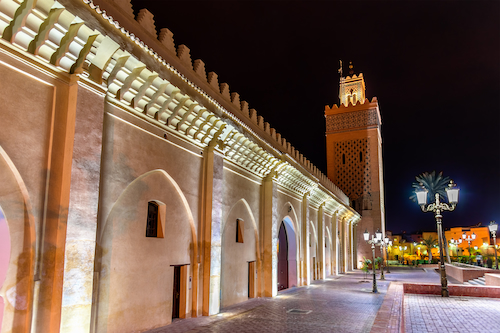
Small Gestures That Go a Long Way
Donate what's comfortable. Whether you can give $10 or 25 cents, an offering is typically appreciated at places where visitors fund upkeep through donations. In addition, even a small gesture when you enter and leave these places can go a long way by showing reverence for those visiting temples/mosques/shrines.
Make eye contact or bow when entering/leaving. In many cultures, this sign of peace conveys respect. It also provides insight into being respectful without risking offense to others' religious sensibilities.
Learn just one phrase. Knowing key phrases, such as greetings or thanking someone in their native tongue, shows a willingness to learn rather than just checking off items on a travel list.
The Golden Rule
Golden Rule of Sacred Places: If you're unsure about etiquette around sacred sites, observe the behavior of others already engaging in spiritual pursuits for guidance. A temple, mosque, or shrine is designed to provide greater knowledge, and it's easier said than done to allow time to absorb what you learn instead of snapping great photos!